

2025-12-07T11:17:35
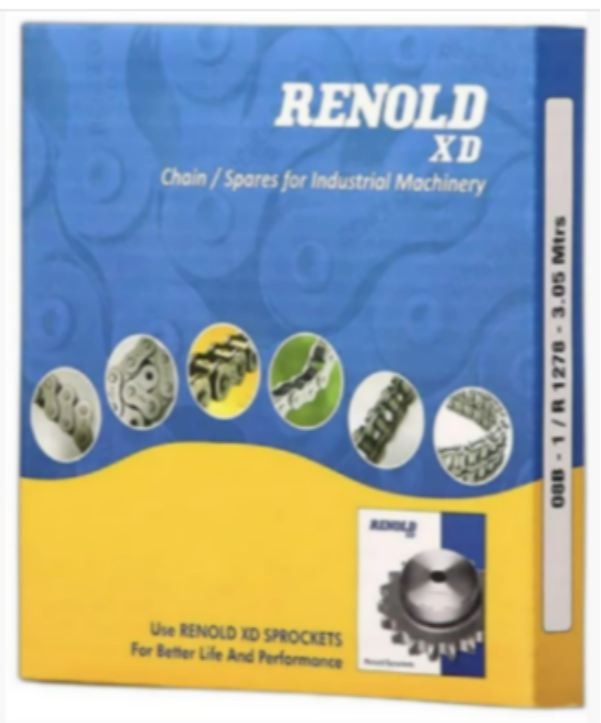
A Transmission Chain is a highly durable and precision-engineered mechanical component used to transmit power between two rotating shafts. It plays a crucial role in various industrial and commercial machinery where reliable motion transfer and high efficiency are required. Designed with a series of interconnected links, rollers, and pins, the transmission chain ensures smooth and consistent power transfer, even under heavy load and challenging operating conditions. Transmission chains are commonly manufactured from high-strength steel, alloy steel, or stainless steel to enhance wear resistance, corrosion resistance, and tensile strength. Their design allows them to withstand high torque and maintain precise alignment, ensuring uninterrupted operation and extended service life. These chains are available in various types, including roller chains, leaf chains, and silent chains, depending on the application and performance requirements. Industries such as automotive, material handling, agriculture, packaging, mining, and food processing rely heavily on transmission chains for efficient power transmission. They are commonly used in conveyor systems, motorcycles, bicycles, elevators, industrial gearboxes, and mechanical drive systems. One of the major advantages of transmission chains is their ability to operate efficiently at long distances without slippage—unlike belts where tension loss can affect performance. They are also easy to maintain, replace, and lubricate, making them cost-effective in long-term applications. Regular inspection and proper lubrication are essential for maximizing the performance and life of a transmission chain. Using high-quality lubricants reduces friction, noise, and wear while enhancing operational efficiency. With precision engineering and reliable performance, transmission chains continue to be one of the most preferred solutions for mechanical power transmission in modern industries.
Have a question? Ask here!
Required fields are marked *